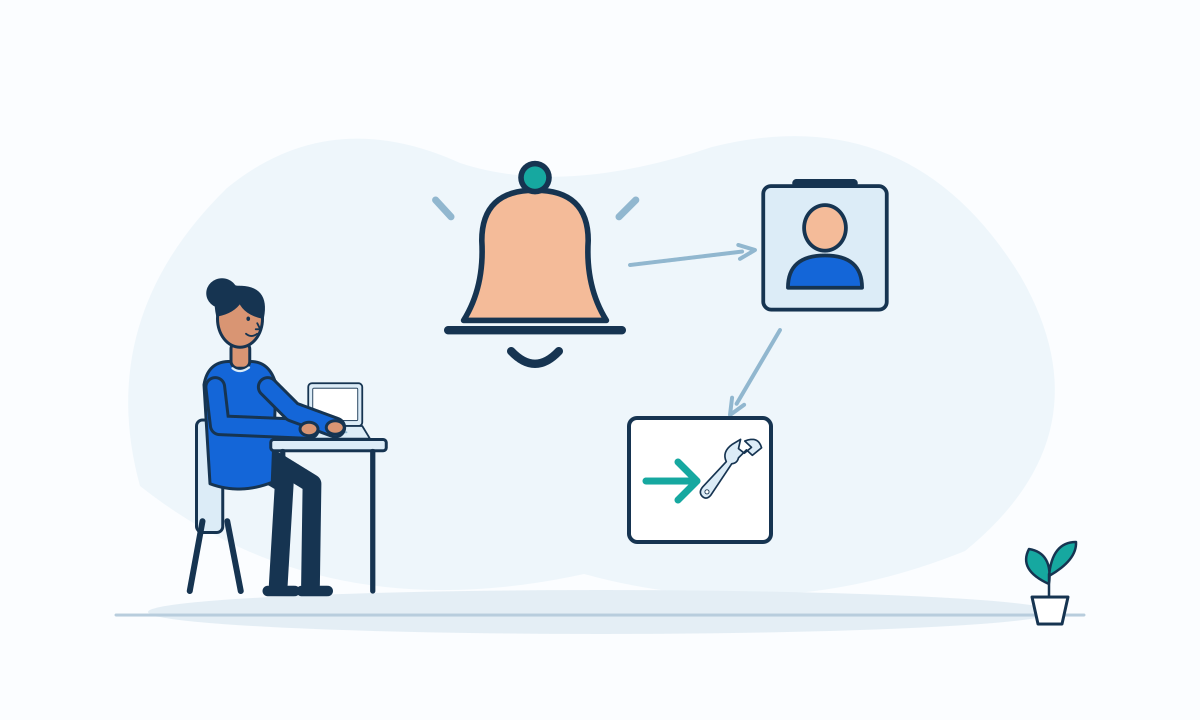
An alert deserves attention only when someone can make a useful decision. Connect each notification to customer impact, a responsible role, an escalation path, and a response that can be rehearsed.
Server availability alone does not describe whether customers can finish important work. Define a service objective with an observable outcome, a precise population, an evaluation window, and a decision when performance falls short.
A useful incident runbook helps someone other than its author make safe decisions. Define entry conditions, observable results, escalation boundaries, and a rehearsal that exposes missing context before an actual disruption.
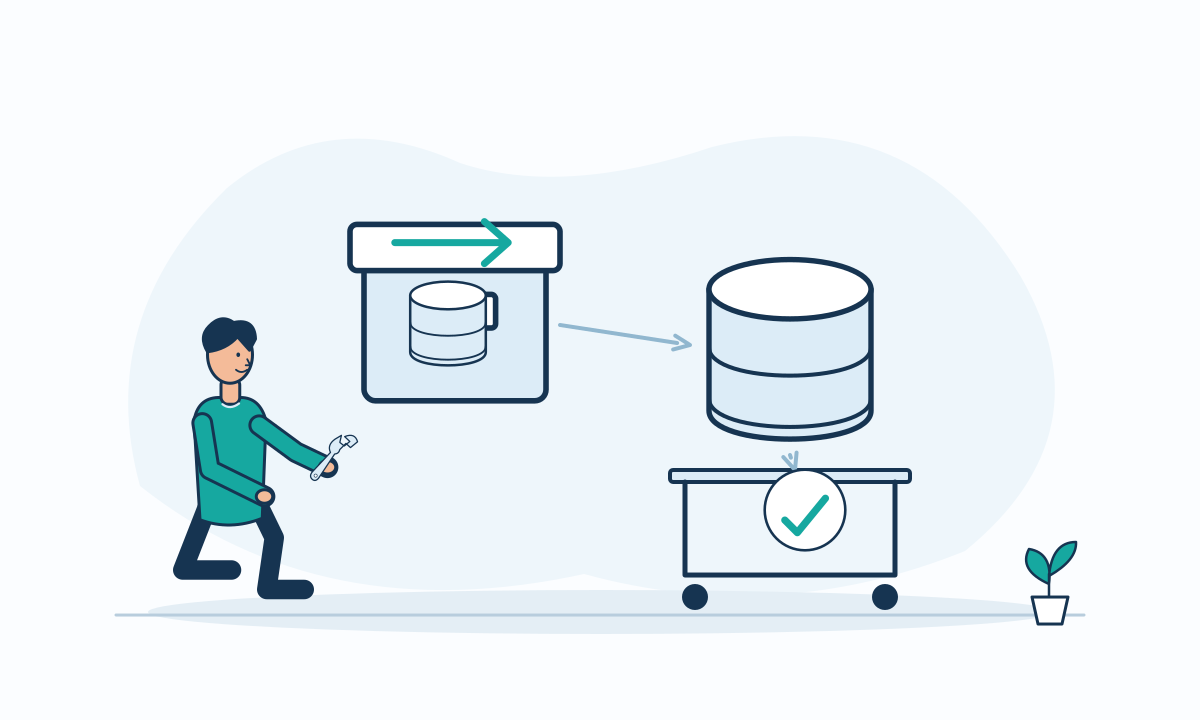
A completed backup job does not answer whether staff can resume work. Define a recovery exercise that checks business records, application access, dependencies, and the time needed to return a usable service.
A business dashboard should help someone act, not merely observe colored totals. Connect each signal to an accountable owner, an explainable population, a safe next action, and a visible freshness limit so teams know what to do.
Search quality depends on the job behind a query. Separate exact record lookup from exploratory discovery, test real wording, and make result context, filters, permissions, and empty states part of the design rather than afterthoughts.
Archive and delete are different business decisions. Define what leaves active work, what remains retrievable, which dependencies block removal, and how copies and restores follow the same policy before adding a bulk cleanup button.
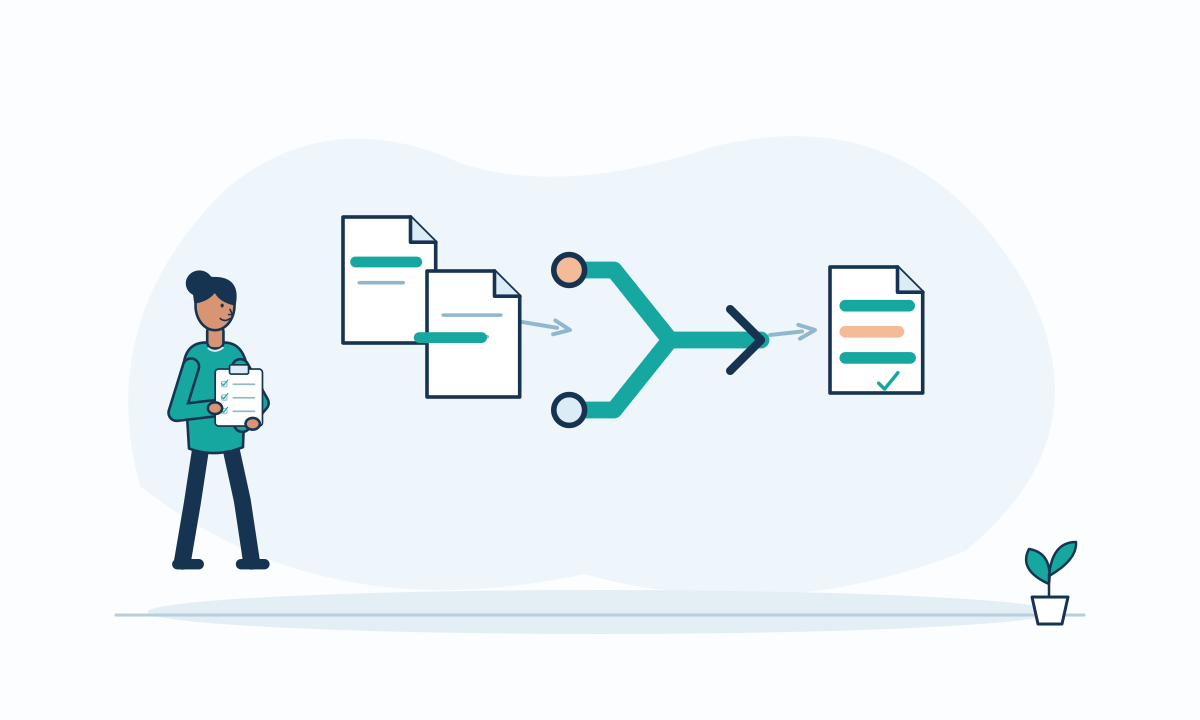
Duplicate detection finds candidates, not proof that records mean the same thing. Define entity boundaries, preserve dependent work, and choose a survivorship rule before merging similar customer, supplier, location, or asset records.
Job titles alone rarely describe who may read, edit, approve, or export a business record. Build permissions from record relationships and business actions, then test the same rules across screens, APIs, imports, and background work.