Reliability and Operations
Verify backups by restoring usable business data
A completed backup job does not answer whether staff can resume work. Define a recovery exercise that checks business records, application access, dependencies, and the time needed to return a usable service.
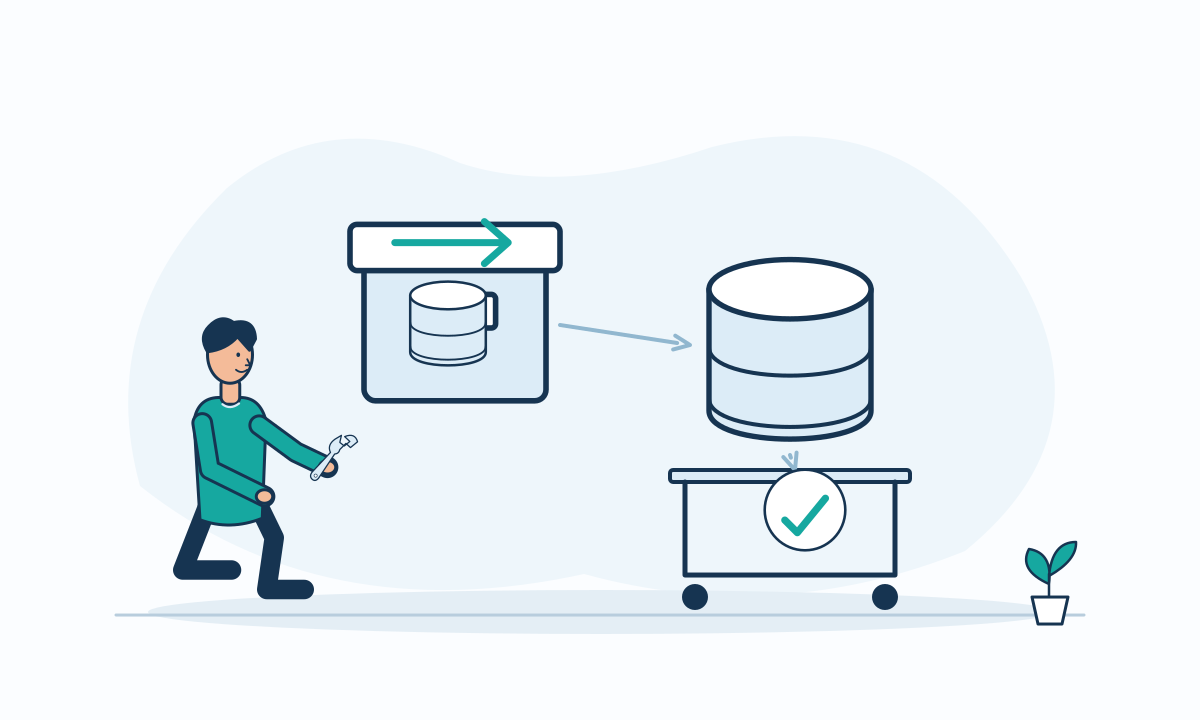
A green backup report answers a narrow question: did the scheduled task finish? A business owner needs a different answer: can people recover usable information after a mistake or outage? Before buying more storage, define what usable means. Treat restoration as an acceptance test with an owner, evidence, and a clear boundary between a rehearsal and production.
Start with the business record
Choose a small set of essential workflows, such as opening an order, checking its payment state, and downloading its attachment. Name the records and dependencies each workflow requires. A database alone should not be your definition of the complete service. Include application configuration, file storage, access arrangements, and any external reconciliation steps in the exercise scope.
Agree how much recent work the business can afford to lose and how long recovery may take. These are planning limits, not guarantees. Ask the process owner to approve them before selecting the technical backup method.
Match the method to the recovery question
PostgreSQL documents three backup approaches: SQL dumps, file system backups, and continuous archiving.[1] That distinction matters when you ask a supplier what a backup contains. Request an explanation of the chosen method, its prerequisites, and the restoration procedure. Do not assume that similarly named backup products support identical recovery points.
Keep the exercise separate from live users. Require approved handling of copied personal or commercial data. A successful rehearsal does not justify broader access to the recovered records.
Hypothetical example: a purchasing portal
In this hypothetical example, a purchasing team restores a portal into an isolated test environment. Staff can sign in and see purchase orders, but attached approval documents are absent. The database restore succeeds, while the business acceptance test fails.
The team expands the recovery scope to include document storage and its access configuration. It repeats the same checks before accepting the arrangement. This example illustrates a decision process, not a measured delivery result.
Keep a reusable acceptance checklist
Use the same checks for each exercise so that differences remain visible. Assign a reviewer who understands the business records, rather than asking the backup operator to approve everything alone.
- Record the selected recovery point and the missing-work boundary.
- Open representative records and their linked files.
- Verify permissions with a normal business role.
- Measure the complete rehearsal, including access and validation.
- Record unresolved gaps, owners, and the next test trigger.
Buy evidence, not just retention
Longer retention and more frequent copies can increase storage and administrative work. A larger rehearsal also requires protected space and staff time. Start with critical workflows, but state what the test excludes.
Ask for the restore evidence before approving the next backup change. A useful report names the recovered data, the checks performed, the observed duration, and the remaining uncertainty. Backup completion and business recovery should remain separate acceptance decisions.