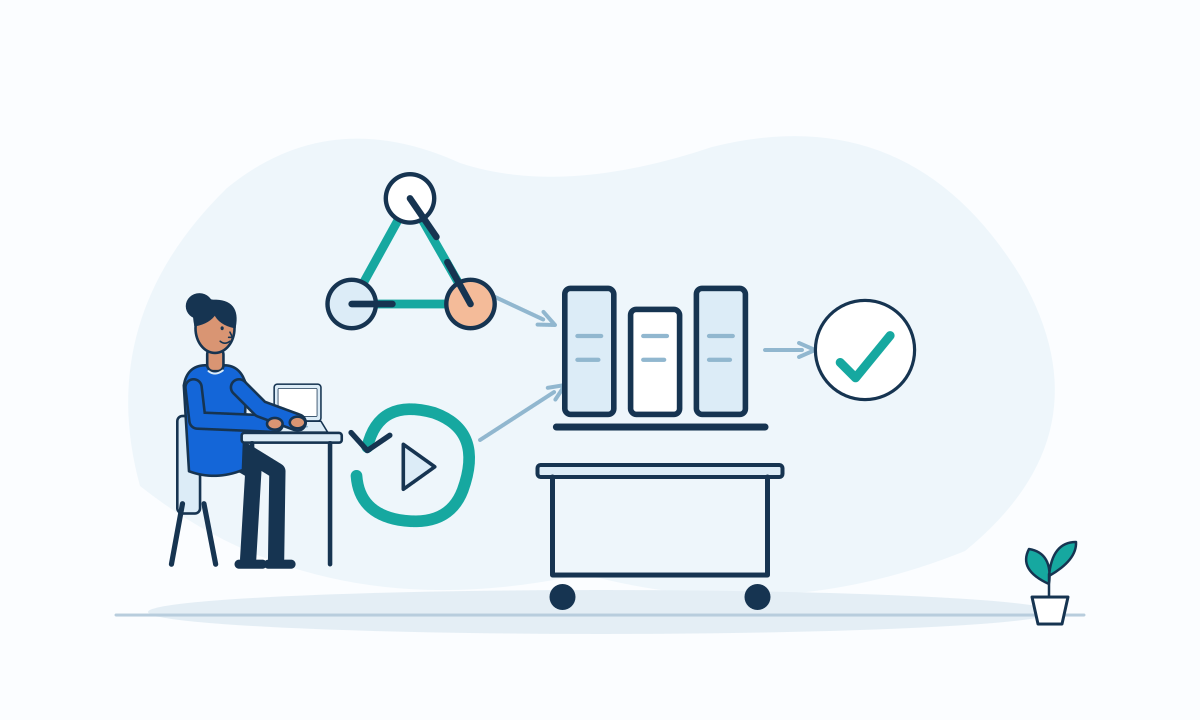
Webhook delivery is not the same as business completion. Build a receiving path that authenticates messages, records durable work, and handles repeated or out-of-order events without silently losing actions.
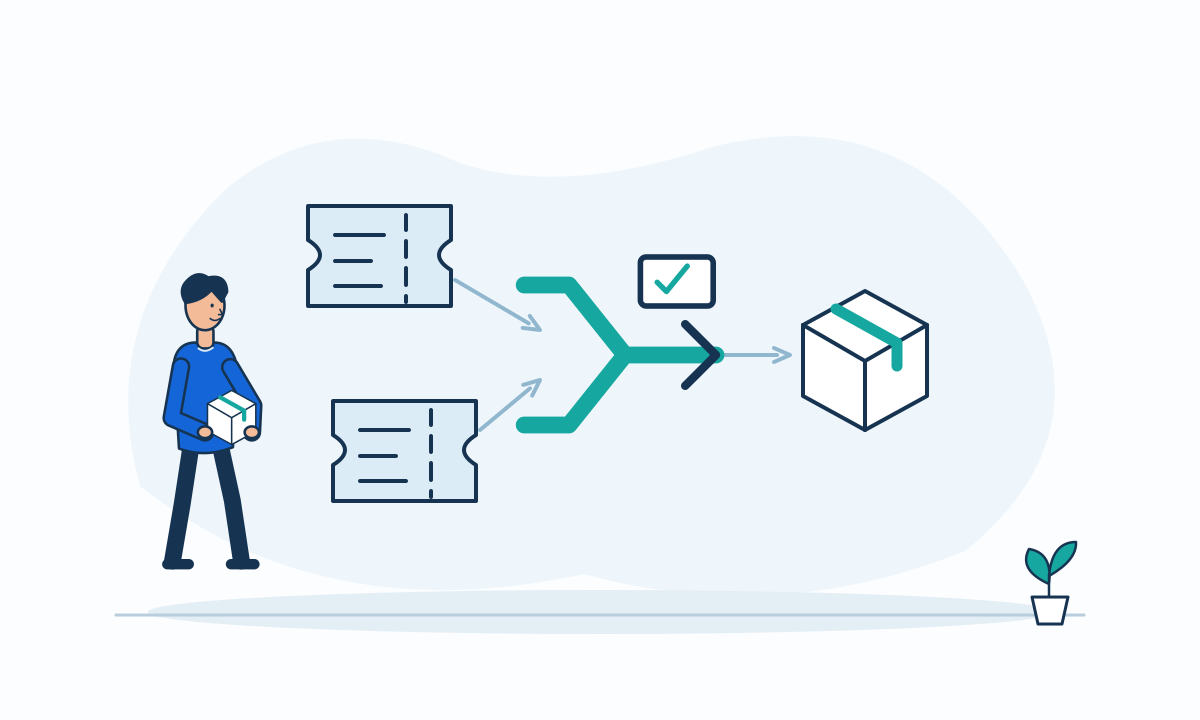
A lost response can leave a client unsure whether a business action happened. Define retry identity, retention, and downstream safeguards before another attempt creates a duplicate action.
Parallel teams need more than a list of endpoints. Agree on data meaning, failure behavior, and review ownership before independent implementations create expensive differences at the integration stage.
Support handover works when another person can diagnose and act, not when documents merely exist. Organize knowledge around symptoms, access boundaries, recovery checks, and practice so support does not depend on the original implementer.
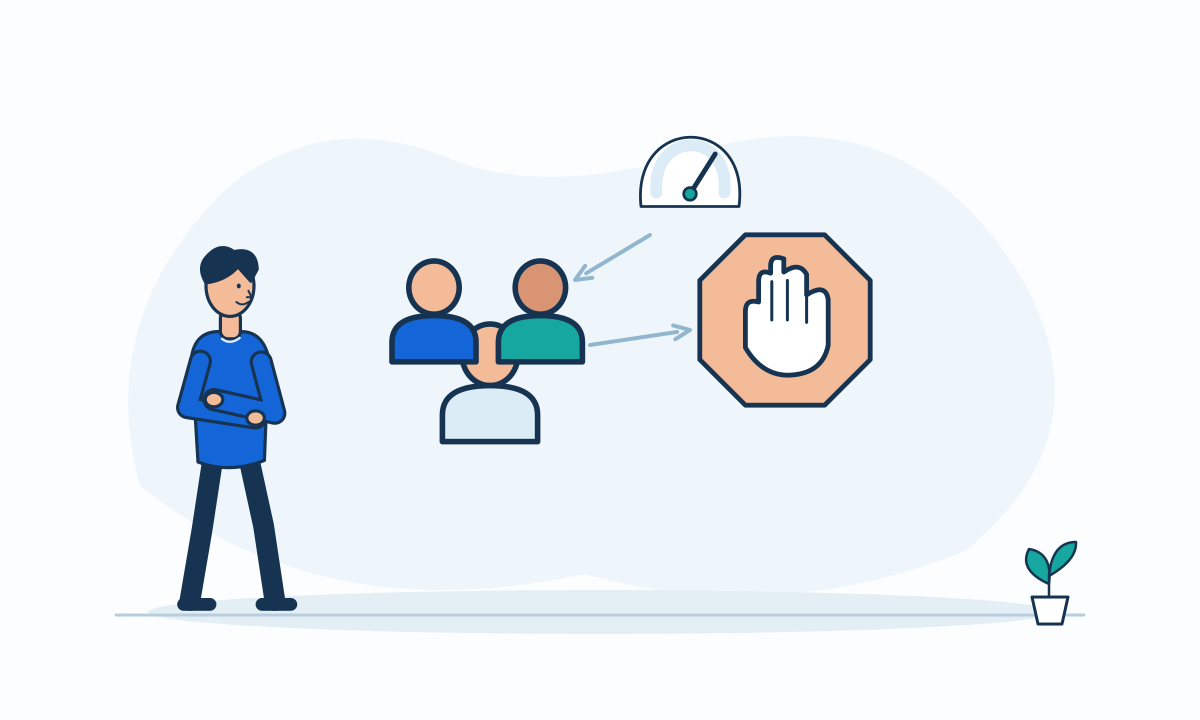
A pilot rollout needs a reason to stop as well as a plan to expand. Define the cohort, observation window, user-impact signals, and recovery authority before exposing a small group to changed behavior.
A retrospective should produce a change people can try, not another list of frustrations. Use observable events to choose one working agreement, define a small experiment, and review whether the new behavior helped.
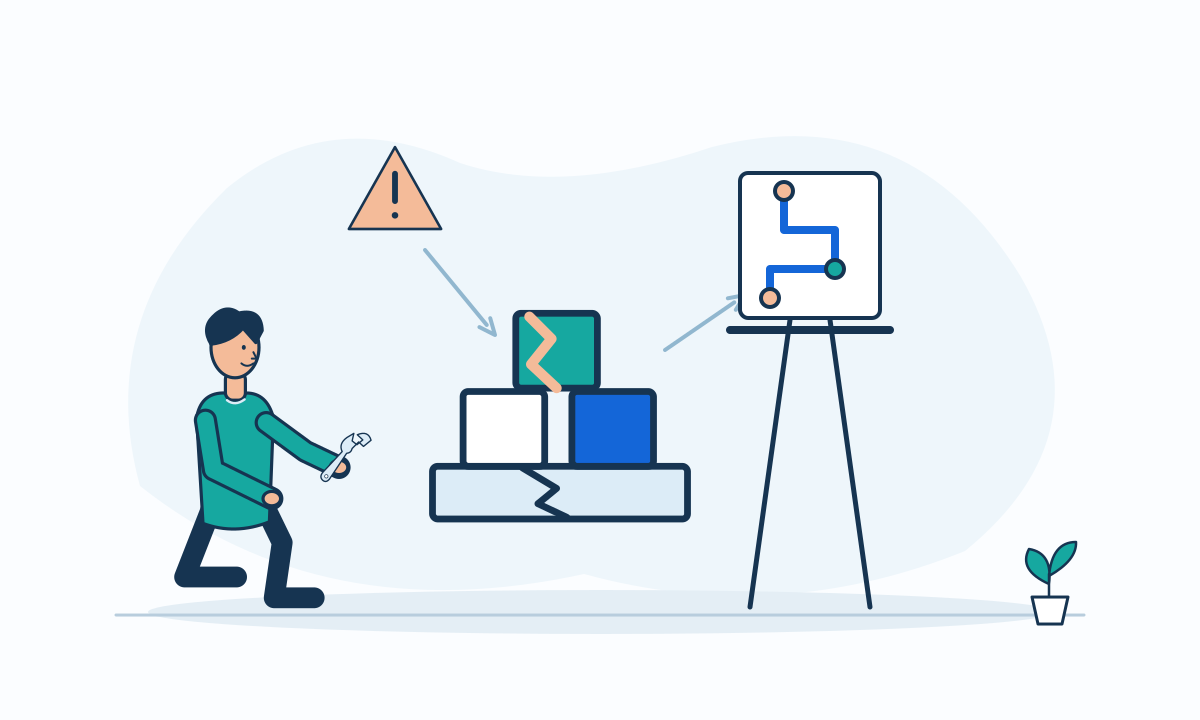
Technical debt becomes actionable when customers can see the constraint it creates. Describe the affected workflow, evidence, and bounded repair options so product decisions can balance new capability against the cost of continued workarounds.
Defect priority should reflect user harm, exposure, and recovery options without ignoring evidence quality. Separate impact from reproducibility so intermittent but serious problems receive investigation instead of disappearing behind easy fixes.
User acceptance testing needs a business decision owner, prepared scenarios, and a clear route for unresolved findings. Define who executes, who explains, and who accepts the result before arranging a test session.