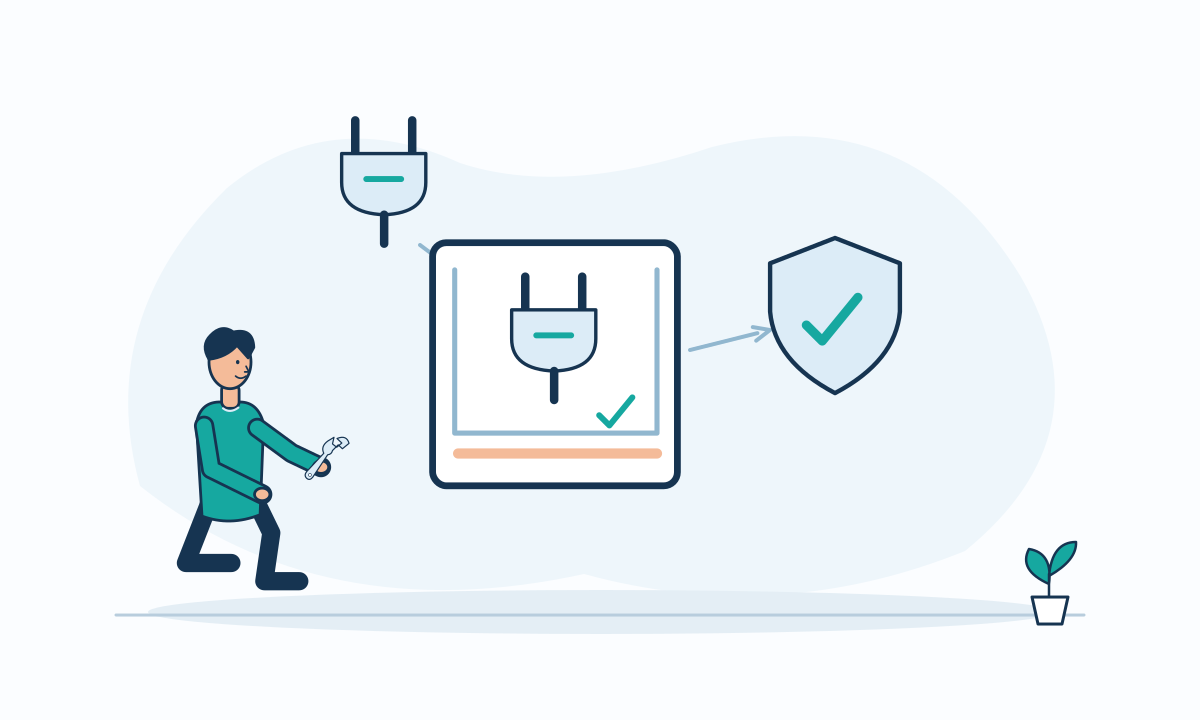
A test can accidentally send a real message or create a real booking. Separate environments, restrict outbound destinations, and verify negative controls before trusting a realistic integration rehearsal.
An API credential needs an owner, a purpose, and a removal path. Plan issuance, storage, rotation, monitoring, and revocation together so routine access does not become an unmanaged dependency.
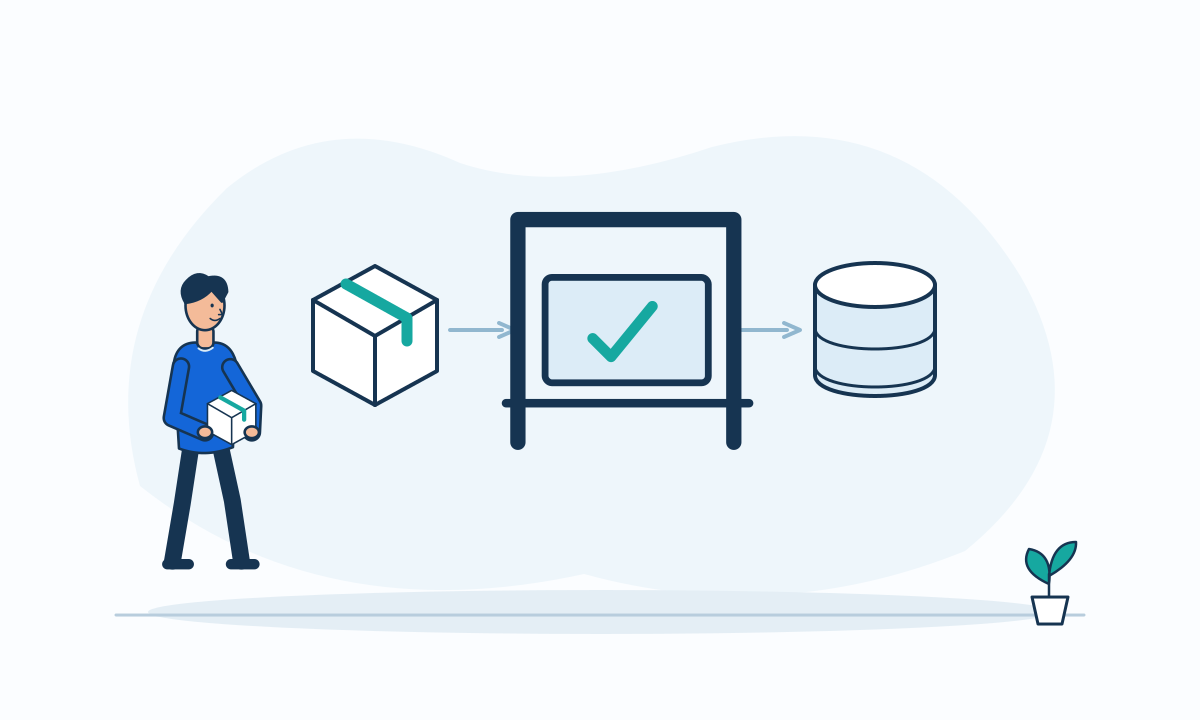
Imported data can pass a format check and still violate ownership or business rules. Validate structure, meaning, permissions, and workflow state before incoming payloads change records or trigger external actions.
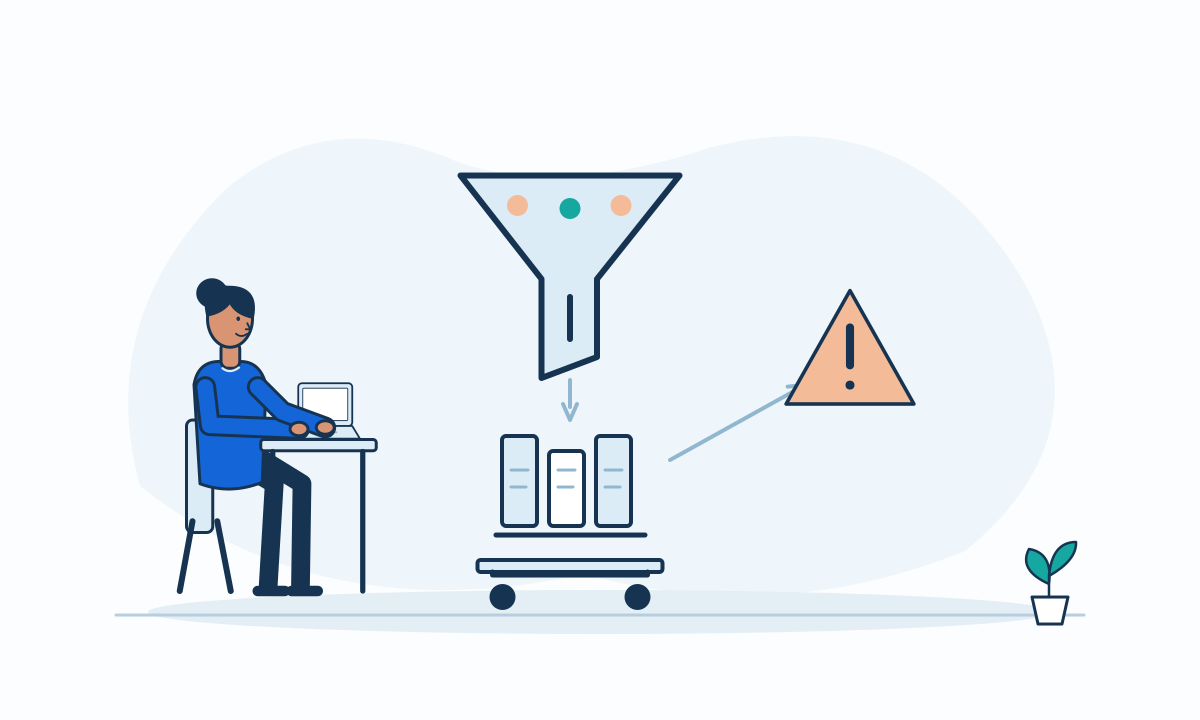
Rate limits should control demand without turning broken integrations into invisible backlogs. Separate quota responses from permission and server failures, and make delayed business work visible to operators.
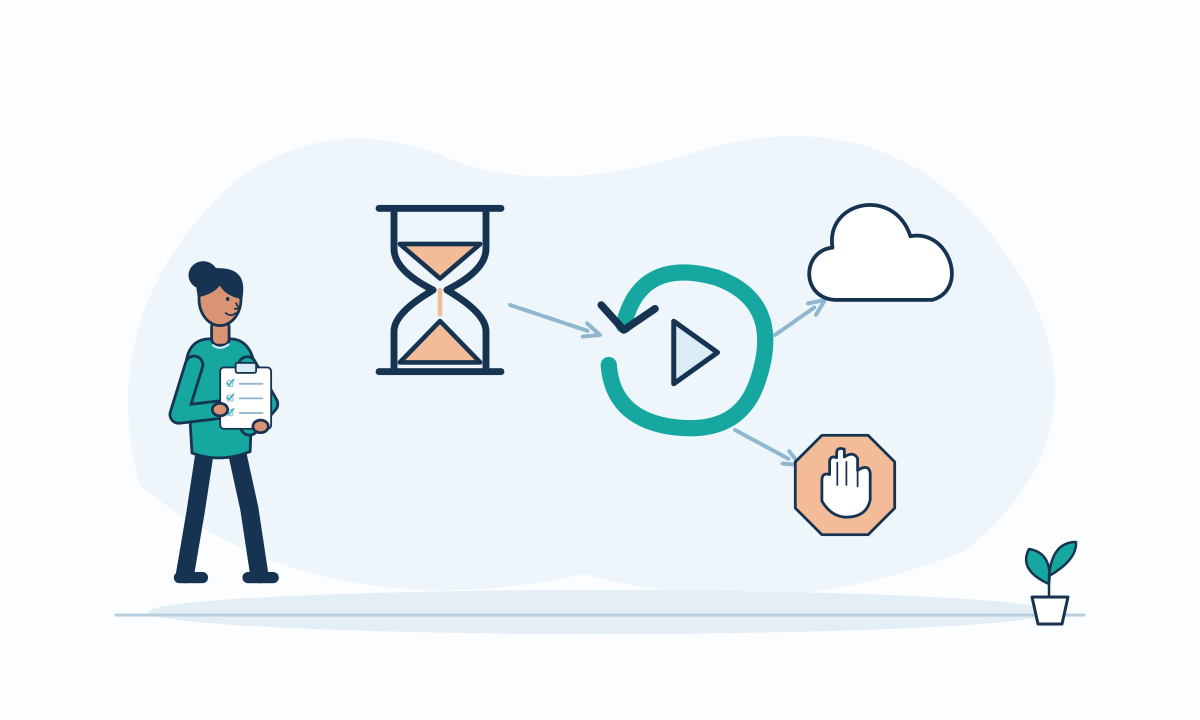
A timeout limits waiting, not necessarily remote execution. Build retry rules around total deadlines, business idempotency, dependency capacity, and a recovery path for outcomes that remain uncertain.
Pagination can quietly skip or repeat records when a live dataset changes. Choose ordering, continuation, and snapshot rules that match whether customers browse current data or require a complete export.
Polling and webhooks move cost and failure handling to different places. Choose from freshness requirements, sender capabilities, network constraints, and the recovery process your operations team can actually support.
A small API edit can change how an existing consumer behaves. Assess compatibility against real client assumptions, then plan migration, observation, and rollback before releasing the change.
Clients need to distinguish a correctable request from a temporary dependency problem. Design stable error types, safe details, and clear recovery instructions instead of relying on free-text messages.