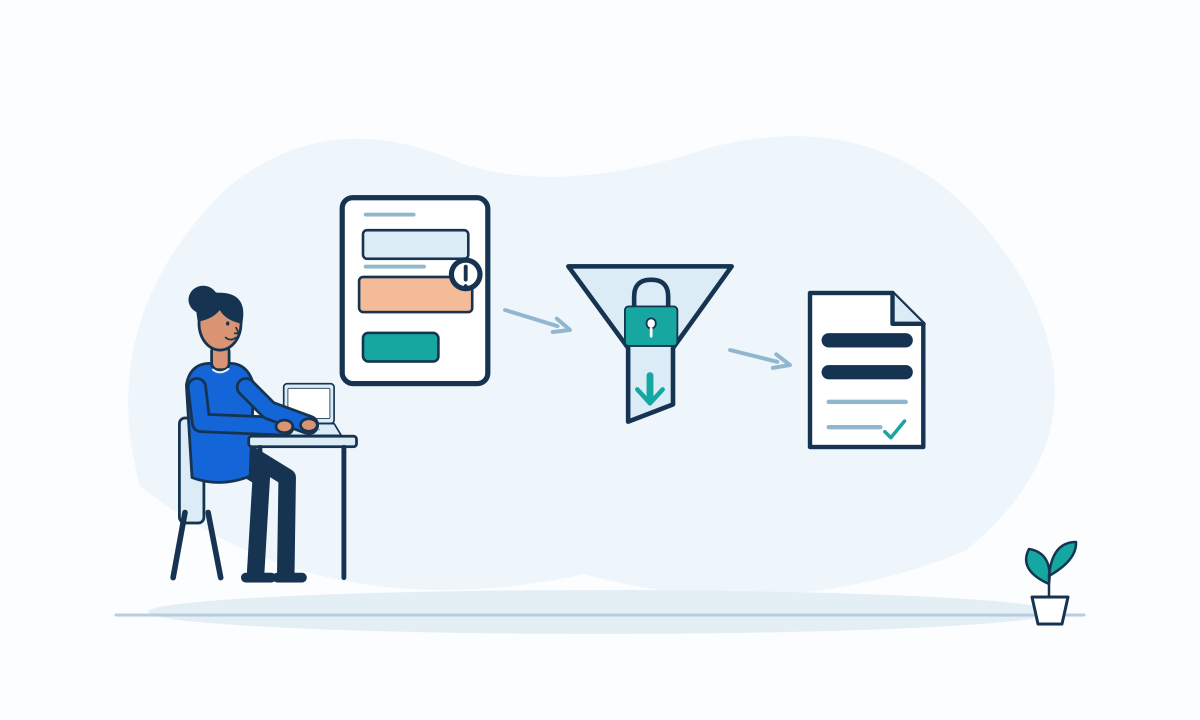
A public inquiry form should collect what the next business step needs, not every field a future campaign might want. Review field purpose, downstream copies, and retention before adding more customer data.
A generic security checklist cannot explain where a particular approval or data handoff can fail. Start with one workflow, identify its trust boundaries, and convert plausible threats into owned controls and acceptance evidence.
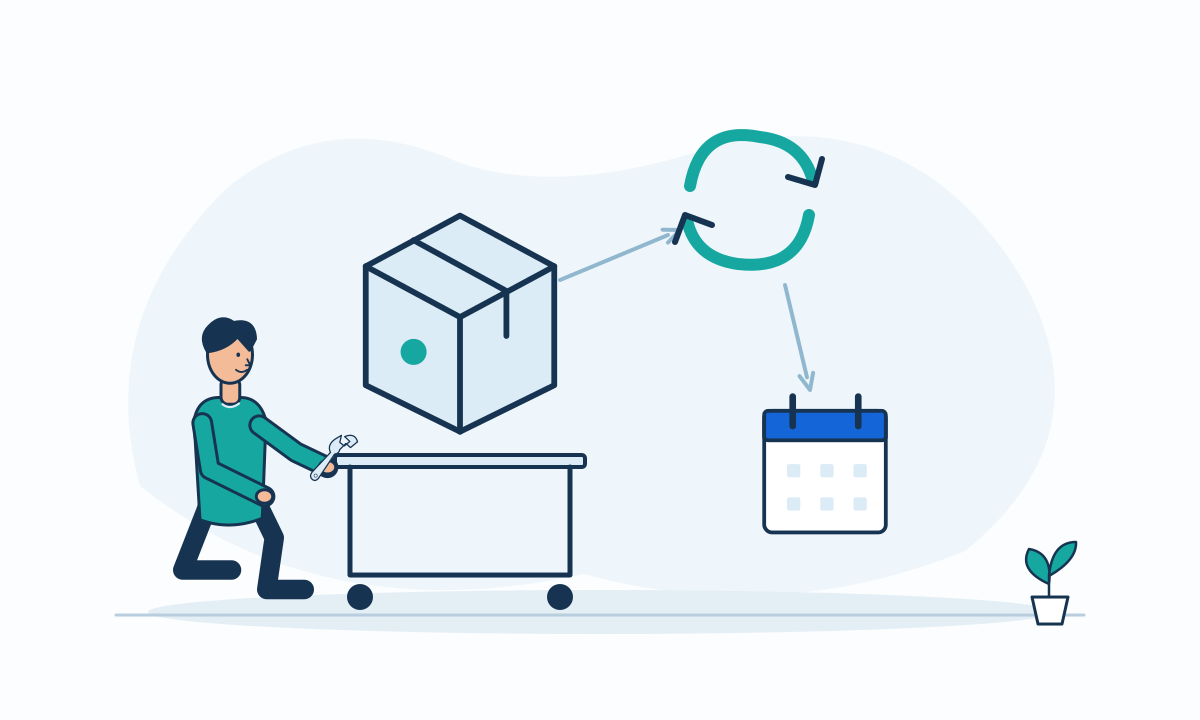
A third-party library needs an owner after the first release. Review dependency visibility, advisory handling, update tests, and unsupported components so the customer buys a maintainable service rather than a one-time scan result.
Useful diagnostics do not require copying customer payloads into every log. Define safe event fields, inspect error responses, and test the full monitoring route so troubleshooting does not create another uncontrolled store of sensitive data.
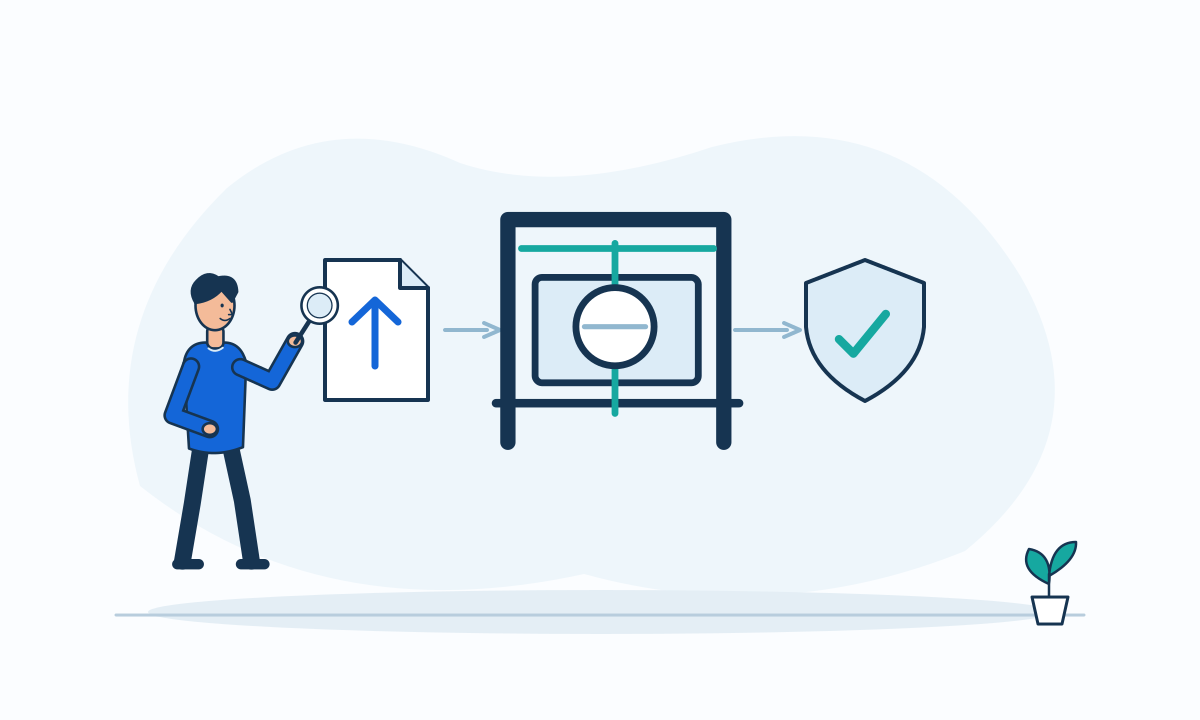
A permitted filename is only one part of upload review. Define the business formats, isolate pending files, verify access at download, and agree what happens when scanning or document processing is unavailable.
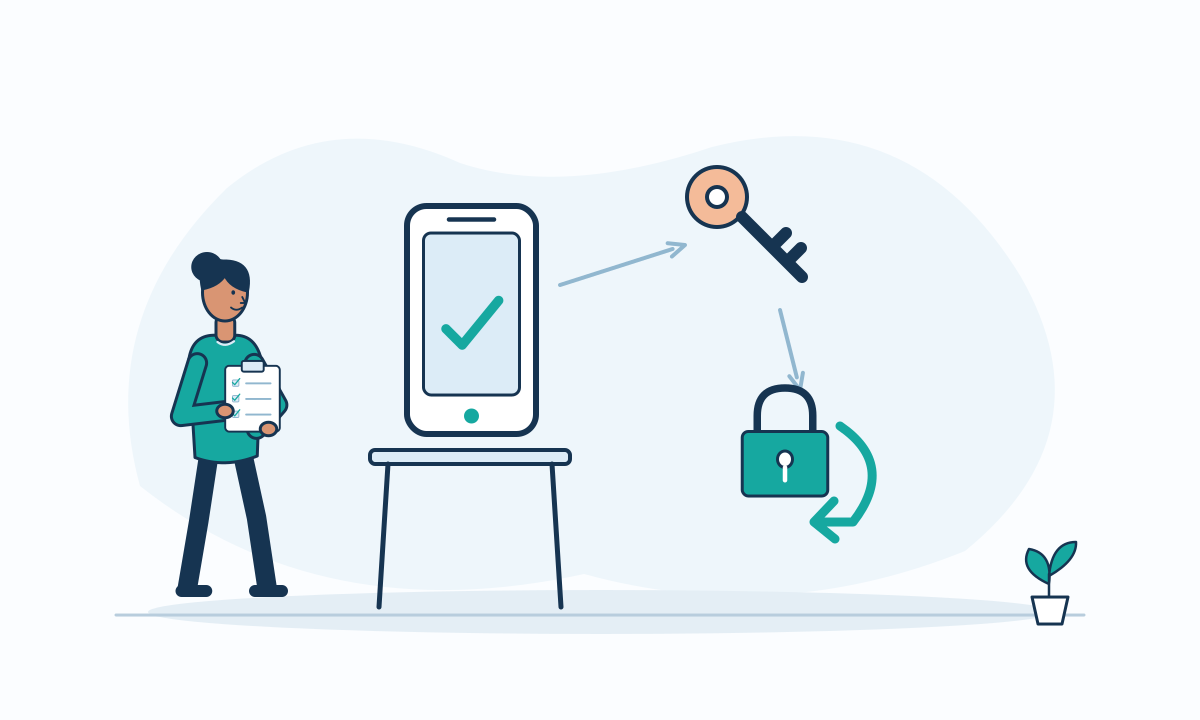
Multi-factor authentication needs more than an enrollment screen. Choose methods around customer devices, rehearse lost-factor recovery, and control factor replacement so stronger login does not create an unmanaged support bypass.
A password reset page can disclose whether a person has an account even when its wording looks neutral. Review responses, timing, delivery limits, reset tokens, and session handling as one customer recovery workflow.
Least privilege works when permissions match real tasks and temporary needs have an approved route. Use a task-based access map, expiring exceptions, and removal tests instead of choosing between excessive access and constant support tickets.
An authenticated customer should not automatically see every invoice or attachment. Define access at the business object level, then ask for evidence across screens, exports, and background work before accepting the feature.