Security and Privacy
Roll out multi-factor authentication with recovery paths
Multi-factor authentication needs more than an enrollment screen. Choose methods around customer devices, rehearse lost-factor recovery, and control factor replacement so stronger login does not create an unmanaged support bypass.
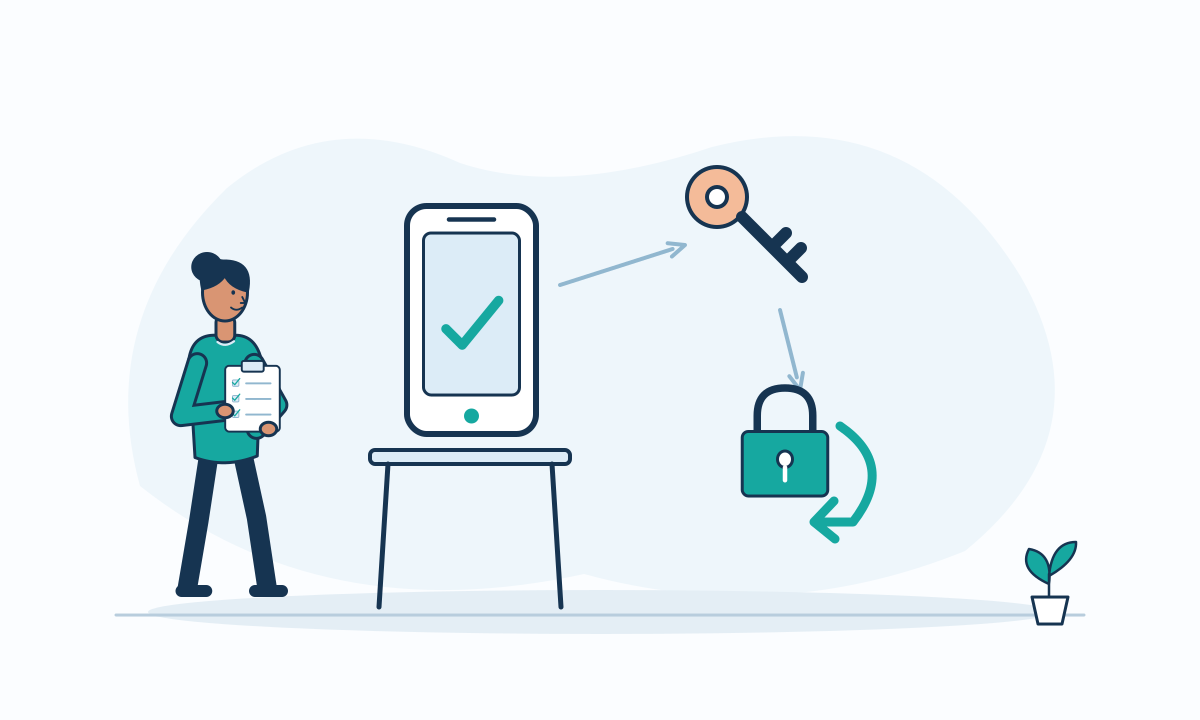
A requirement for multi-factor authentication can look simple on a project checklist. The difficult questions appear when a customer loses a phone, replaces a device, or cannot use the proposed method. Treat those events as core product journeys. Decide how access resumes before making enrollment mandatory.
Choose independent factors, not extra prompts
OWASP explains that MFA combines different factor types. Two knowledge factors, such as a password and a PIN, do not constitute MFA.[3] Ask the delivery team to identify what each proposed method proves, rather than counting the number of screens.
Recommend a method assessment that includes supported devices, accessibility needs, shared workstations, and phishing resistance. Avoid presenting all methods as interchangeable. For passkeys used as MFA, OWASP requires user verification and server validation of the returned verification flag.[3] Request evidence for the selected configuration, not merely a product logo.
Make recovery part of enrollment
OWASP describes single-use recovery codes and rigorous support verification among possible recovery approaches. It also states that the appropriate approach depends on application context.[3] A public marketplace and a small managed workforce need not use the same process.
At enrollment, explain how recovery works and ask customers to prepare the approved backup method. Do not collect recovery codes in support tickets. Define who handles exceptional recovery, what evidence they require, and which actions remain restricted until verification completes.
Hypothetical example: a field maintenance team
In a hypothetical maintenance service, technicians use an authenticator on their phones. A technician replaces a damaged phone while away from the office. The approved path uses a previously prepared recovery method, then guides enrollment of the replacement.
If the technician lacks that method, support follows a separate verification procedure instead of switching MFA off after an informal call. A rehearsal checks the notifications and the technician’s next login. The scenario describes a proposed workflow, not an actual customer incident.
Gate replacement as a sensitive change
OWASP recommends reauthentication with an existing factor before factor changes, warns against relying only on an active session, and recommends out-of-band notifications.[3] Apply these requirements to device migration as well as obvious account recovery.
- Confirm the chosen methods work on customers’ supported devices.
- Provide and explain an approved backup or recovery method.
- Rehearse lost-factor cases with support before mandatory enrollment.
- Check independent notifications when factors change.
- Review exceptional recovery permissions and retained verification evidence.
Roll out with operational limits
Additional methods increase support and testing effort. Stronger recovery checks can also delay legitimate users. Begin with a controlled group and review completion failures without recording authentication secrets. Set an explicit exception owner and review boundary. MFA is one control in account protection, not a guarantee against takeover or a substitute for authorization. Review recovery failures alongside enrollment failures, not as a separate support concern.