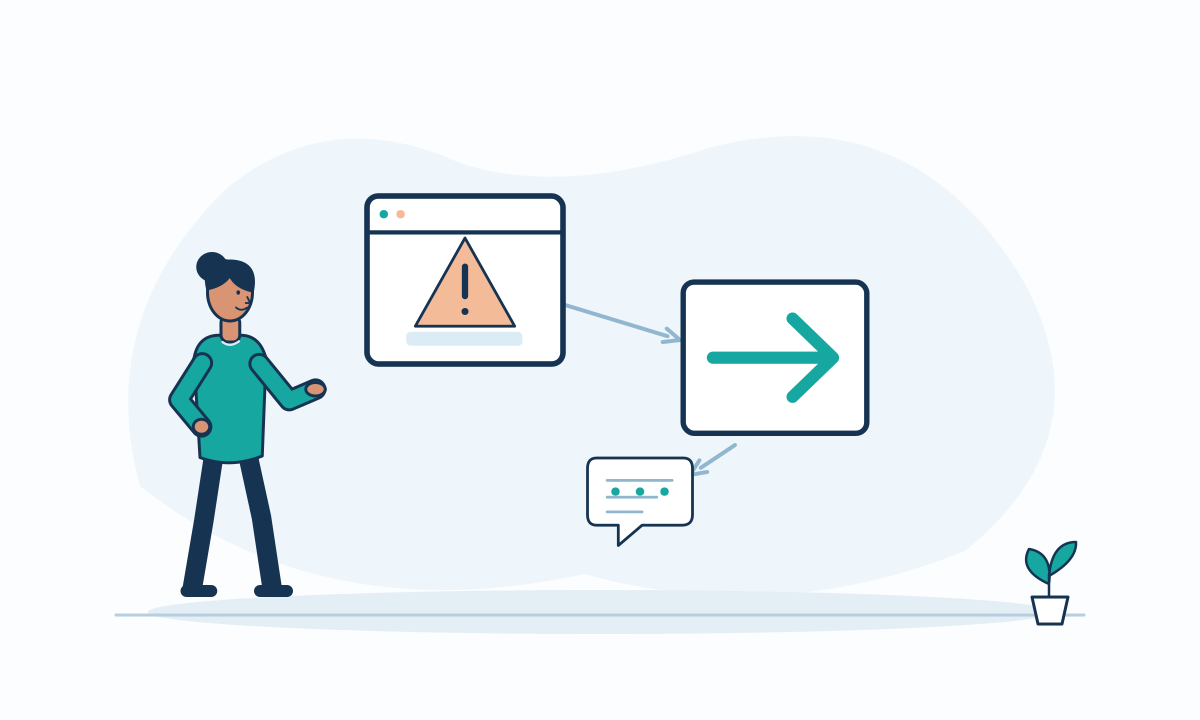
An error should tell users what happened, what remains safe, and what to do next. Separate correctable input, unavailable services, and uncertain outcomes before writing messages or adding a retry button.
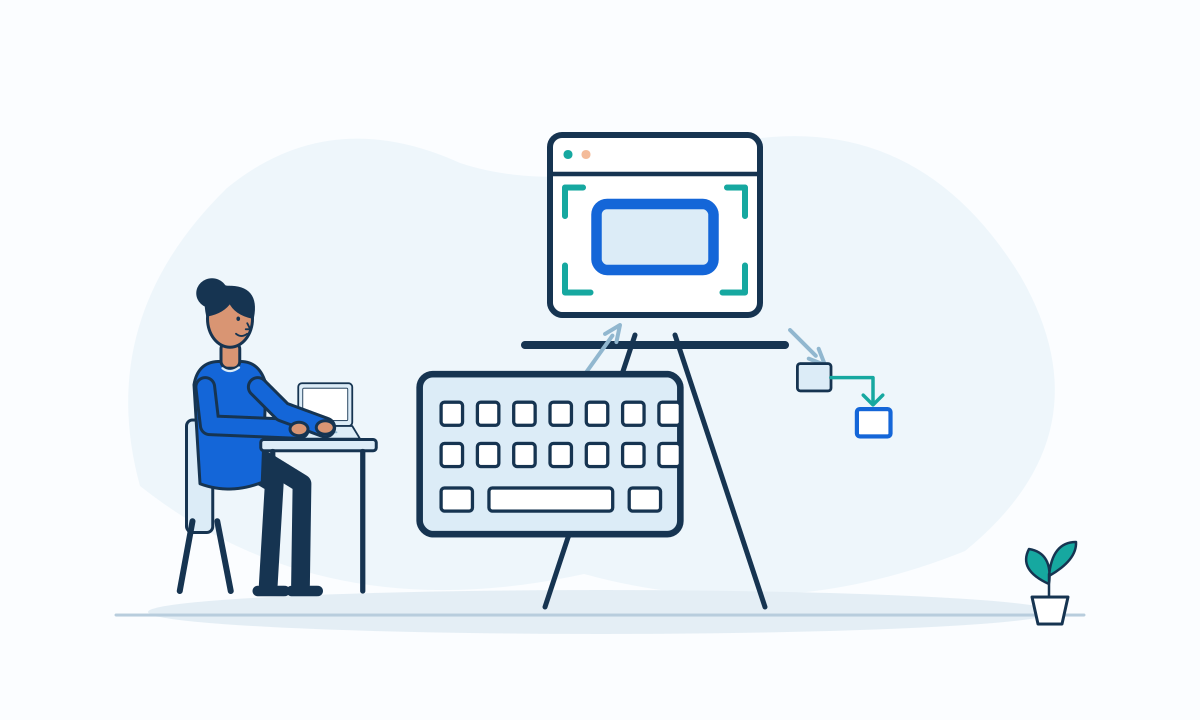
Keyboard support must cover the whole business task, including menus, filters, dialogs, and recovery. Use a task-based acceptance test to find pointer-only controls before they interrupt daily work.
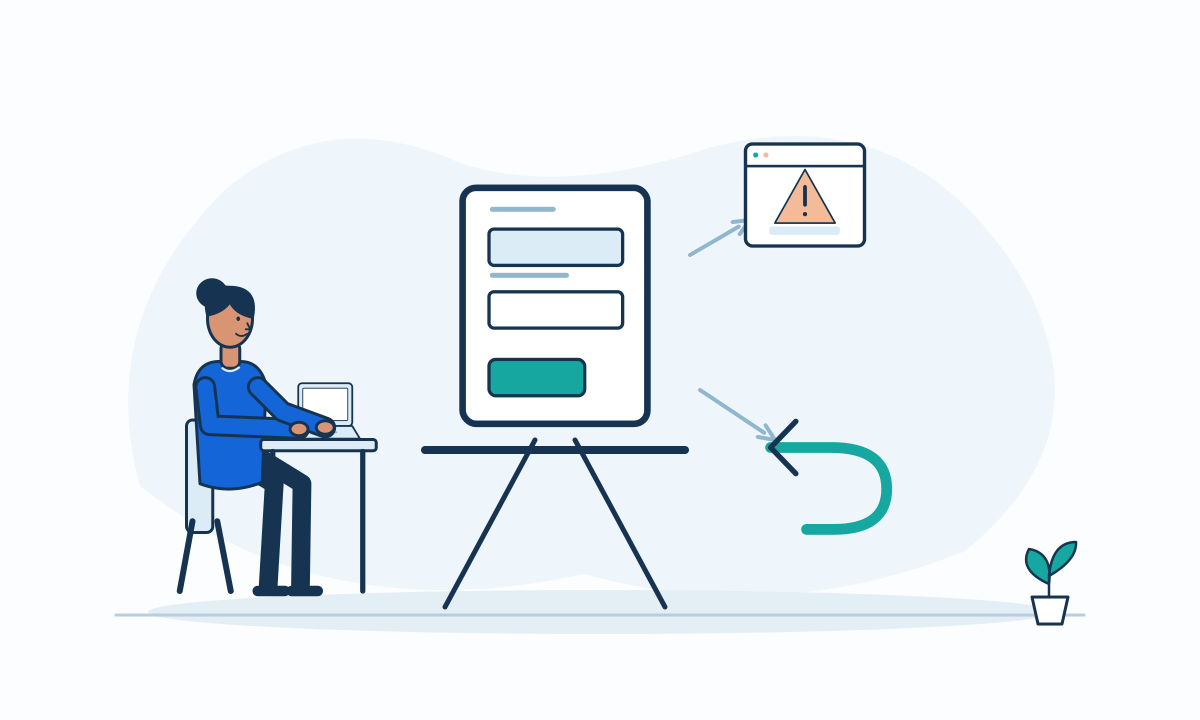
A business form needs more than required fields. Define useful rules, explain rejected values, preserve valid work, and give users a reliable route from a failed submission to a confirmed result.
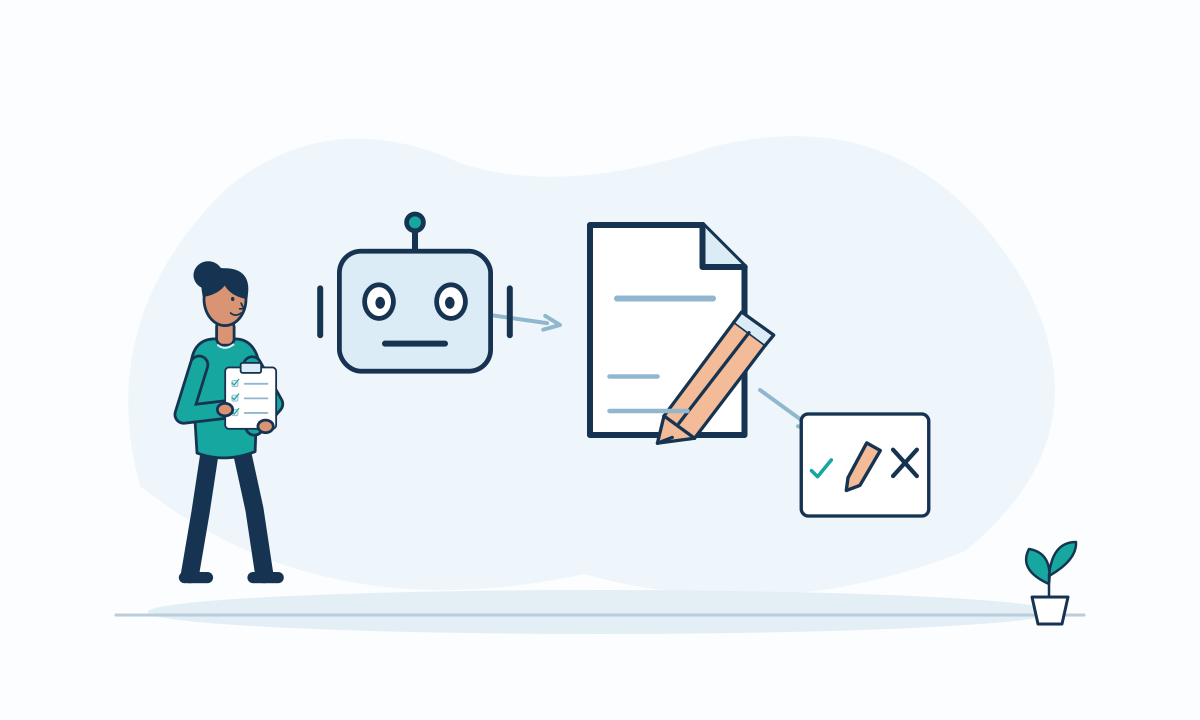
When AI output resembles a final decision, users can act before checking its assumptions. Design proposals that expose evidence, missing inputs, and alternatives, while preserving a clear boundary between generated advice and authorized business decisions.
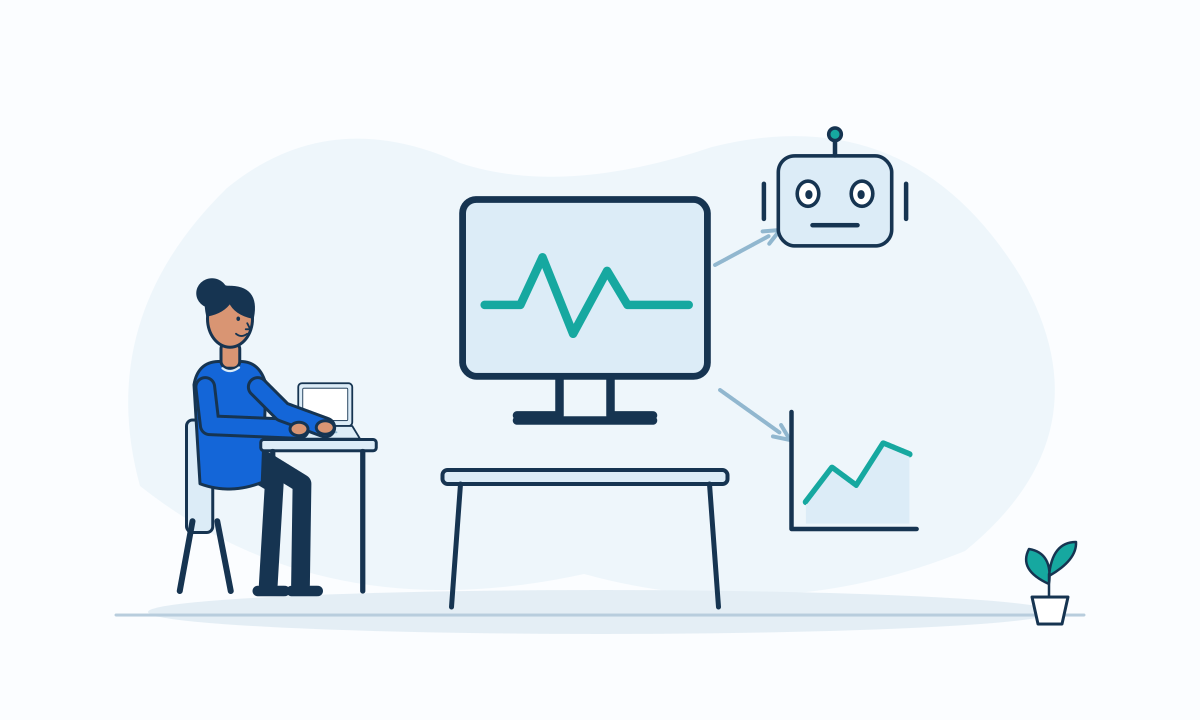
A completed pilot does not freeze documents, user behavior, or model configuration. Establish ongoing answer reviews, change-triggered tests, and response ownership so quality problems lead to a decision rather than another unattended dashboard.
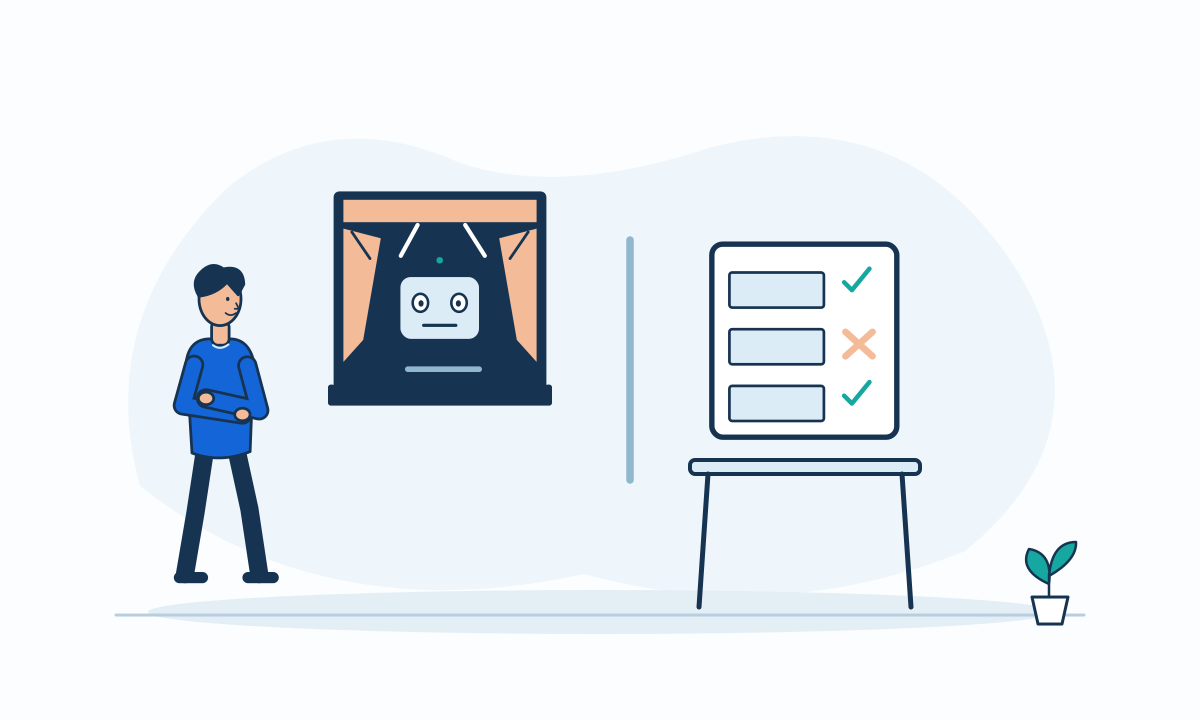
A successful demonstration shows what a team prepared, not necessarily what users can rely on. Separate presentation from evaluation with unseen tasks, explicit operating conditions, visible failures, and acceptance rules agreed before the demonstration begins.
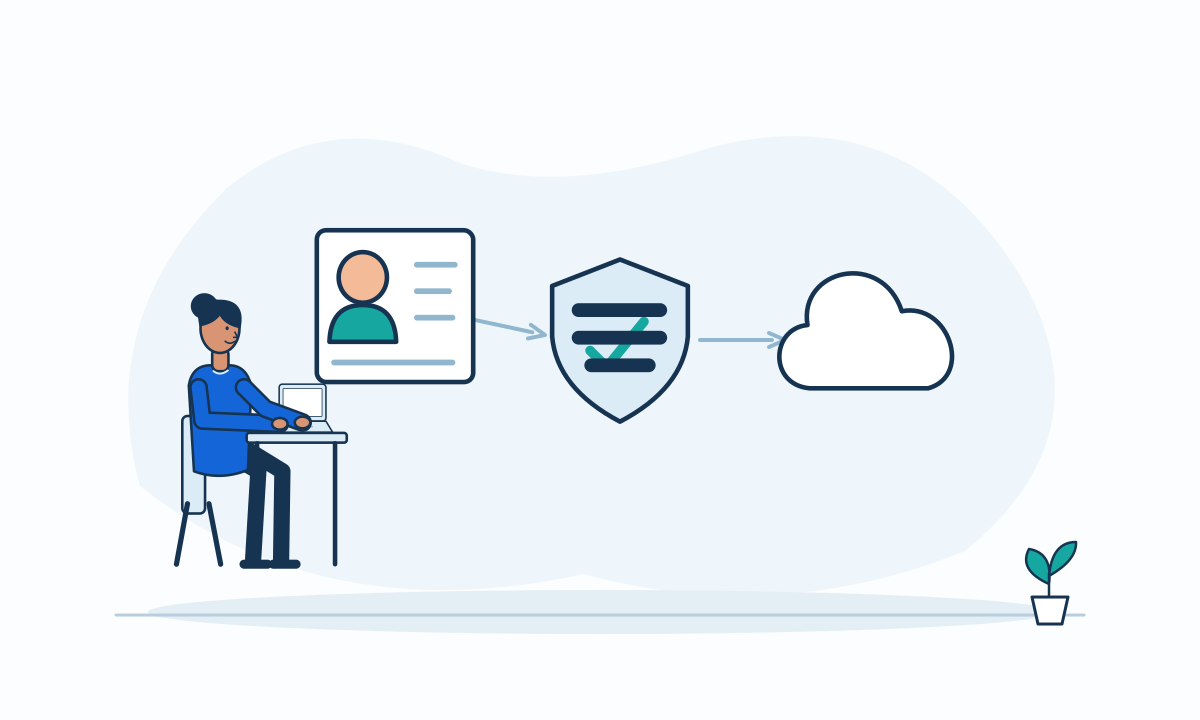
Protecting customer information requires more than choosing a model endpoint. Map prompts, retrieved context, logs, and support access, then verify the provider settings and application controls that govern each copy of the data.
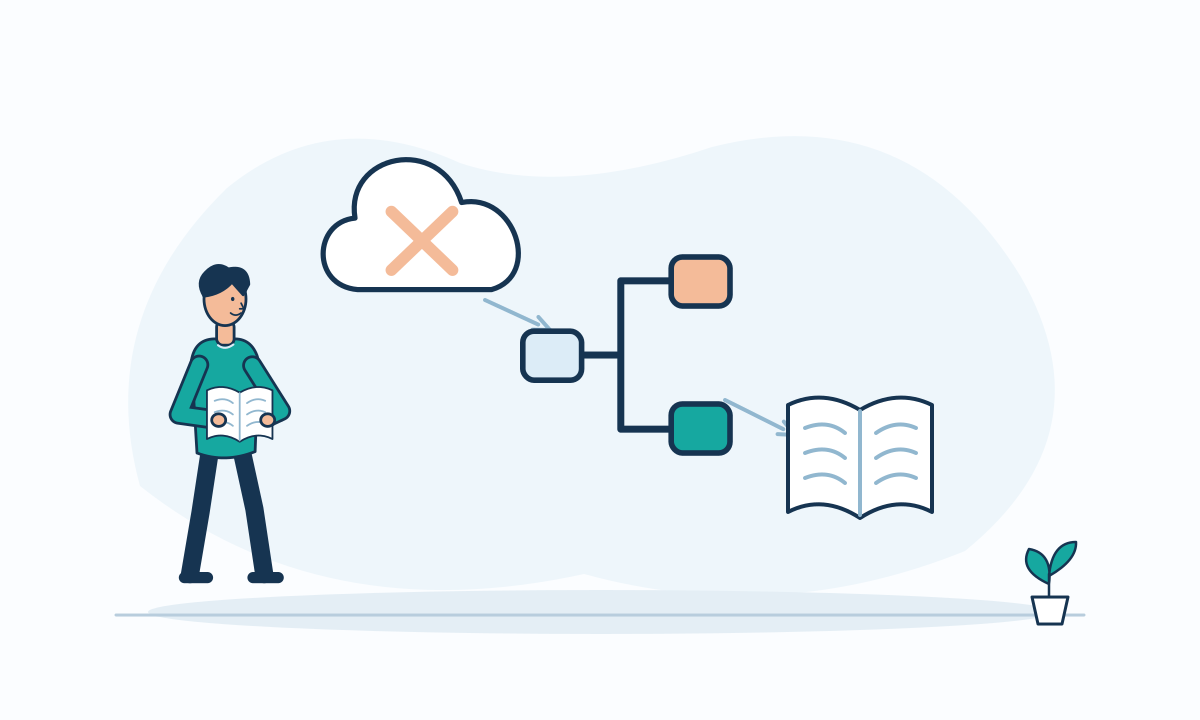
An AI outage should not erase the user’s work or disguise an incomplete operation as success. Plan a reduced service that preserves context, offers a manual route, and returns to normal without replaying uncertain actions blindly.
Connecting an assistant to a tool changes the risk from an incorrect answer to an incorrect action. Define narrow operations, enforce authorization outside the model, and specify how execution is verified and interrupted.