
Project Delivery
Give asynchronous updates that distributed teams can use
Distributed teams need updates that remain useful after the author goes offline. Write enough context to support a decision, state the requested response, and distinguish routine discussion from an urgent operational escalation.
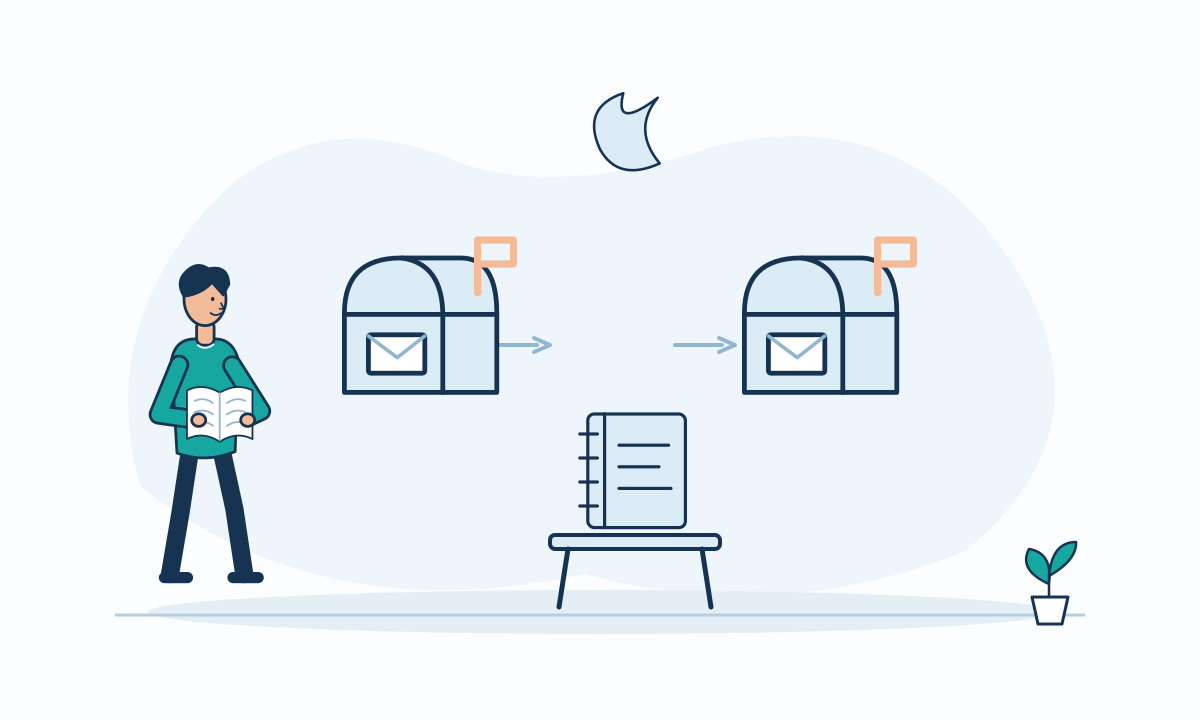
An asynchronous update lets people respond at different times. That flexibility disappears when the message says only “please review” and the author is unavailable to explain it. The goal is not to eliminate meetings. It is to make routine coordination possible without requiring everyone to share the same working hours or remember an earlier chat.
Write for the next reader, not the current chat
Begin with the outcome under discussion and a brief explanation of why the reader needs to act. Link the current specification or evidence directly. Summarize the relevant change in the message itself so the reader does not need to inspect every linked document to understand the request.
GitHub documents issues as records for planning, discussion, and work tracking, with assignment to communicate responsibility.[2] A team can use another tool, but should preserve those functions. Choose one durable record for the decision, and use chat mainly to direct attention to it.
State the response contract
Explain whether the message requests information, approval, or a choice between options. Name the responder and give a response window in a shared time reference. Avoid “end of day” when readers work in different locations. State the next step if the window closes without an answer.
Before sending, check that a colleague could continue without asking what you meant.
- Provide the purpose, current state, and material change.
- Link the authoritative evidence rather than an unexplained screenshot.
- Ask one explicit question and name the responsible responder.
- State the response window and no-response action.
- Record the eventual decision where future readers can find it.
Hypothetical example: a translated account screen
In a hypothetical customer portal, a designer needs approval for a longer translated account label. Instead of posting two images without context, the update names the affected screen, explains the narrow-screen problem, and links a preview with both language variants.
The request offers a shorter label or a revised layout and explains the compromise in each. The product owner can decide during their next work period. A colleague then records the selected option and updates the design reference, so later implementers do not infer approval from a reaction icon.
Know when asynchronous work is the wrong choice
Google’s on-call guidance identifies clear escalation paths and defined incident procedures as important resources.[7] Our recommendation is to route urgent service problems through an agreed live escalation path, not an ordinary review thread. A delayed response is acceptable only when the work can tolerate that delay.
Written updates also impose reading effort and can prolong disagreement. Move a complex dispute to a focused conversation when another message would add little clarity. Capture the conclusion afterward. Test the approach on one cross-location handoff and ask the receiver which missing detail forced an unnecessary follow-up.
