
Applied AI
Keep document answers current after source changes
Updating a source file does not finish an answer update. Define how revisions, withdrawals, and access changes move through extraction, indexing, and answer caches, then test that obsolete material can no longer support a response.
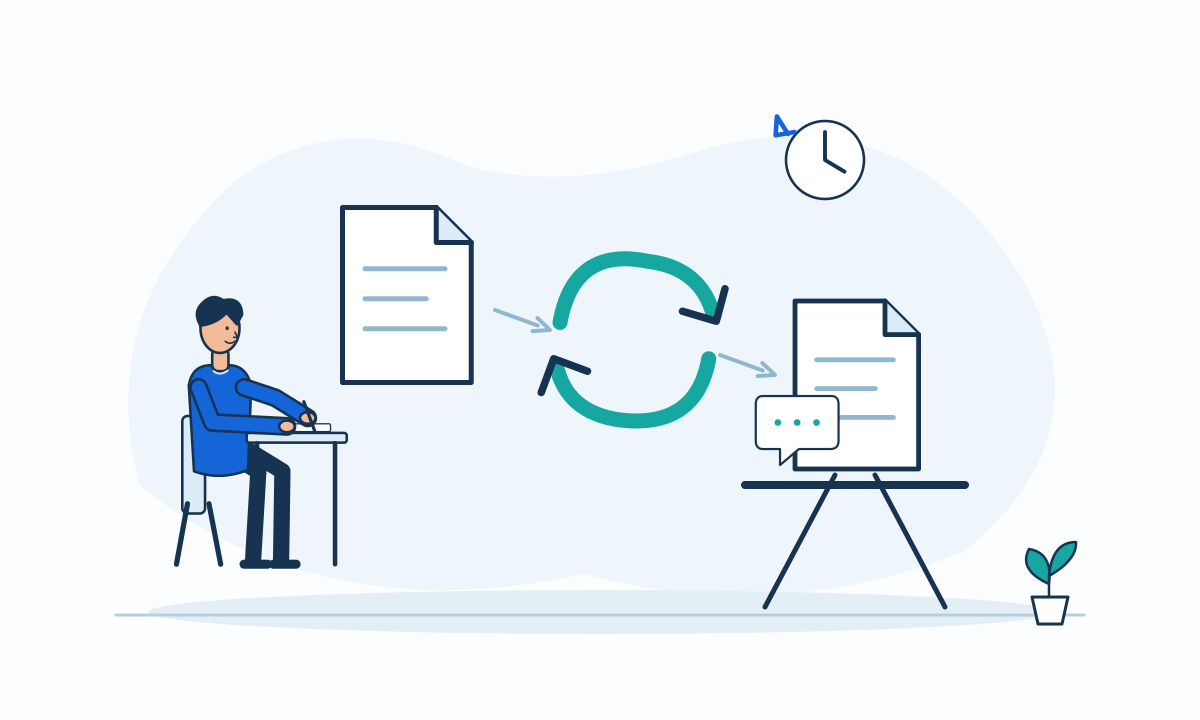
Employees often assume that a corrected policy immediately produces corrected AI answers. A buyer should ask what happens between the document repository and the next response. Design an explicit freshness process for that path, including the period when a source has changed but the searchable representation has not yet caught up.
Define freshness by business consequence
Not every document needs the same update target. A product description and an urgent operating restriction can justify different handling. Ask the process owner how long old guidance may remain available, then define what the assistant should do if that limit is exceeded. Do not silently substitute an engineering schedule for that decision.
Record a stable source identity, revision, processing state, and last successful verification. A recent indexing job does not by itself show that every changed source was processed. Give document owners a view of pending and failed updates so they can distinguish publication in the repository from readiness for answers.
Treat updates and withdrawals differently
Microsoft’s Azure Storage indexing guidance distinguishes automatic change detection from deletion detection.[2] It warns that an indexer does not track source object deletion without an appropriate deletion strategy.[2] This behavior is specific to the documented service, but it highlights a question buyers should ask of any chosen pipeline.
Test revised content, removed content, and changed access permissions as separate cases. If one source produces several passages, identify every derived passage that must be replaced or removed. Inspect any saved answers or response caches too. The proposed control is a traceable removal process, not an assumption that deleting the original file clears every copy.
Build an update acceptance test
Use a controlled document with distinctive wording. Follow its changes through extraction, indexing, retrieval, and response generation. Retain the test results without retaining unnecessary sensitive content.
- Replace an important rule and confirm the answer cites the new revision.
- Withdraw a document and confirm its passages no longer appear in retrieval.
- Remove a user’s access and repeat the same question as that user.
- Simulate a failed processing job and check the owner’s alert.
- Check whether saved answers disclose that their supporting revision is no longer current.
Hypothetical example: a warehouse instruction
A hypothetical wholesaler replaces packaging guidance for fragile goods. The source owner publishes the revision, but a processing error leaves the old passages searchable. The assistant interface shows that the collection has not met its freshness requirement and directs staff to the approved source.
After repair, reviewers ask the same packing questions and inspect the cited revision. They also withdraw an obsolete attachment to test removal independently. Record both checks before closing the incident. A successful content update should not conceal an untested withdrawal process or leave staff uncertain about which guidance applies.
Choose an honest degraded state
Frequent updates can increase processing cost, while strict freshness gates can temporarily reduce answer coverage. Agree on that tradeoff in advance. For critical guidance, a visible refusal with a current source link may be preferable to an unmarked stale answer. Assign an owner to restore coverage and verify the result before removing the warning.
