
APIs and Integration
Change an API without surprising existing consumers
A small API edit can change how an existing consumer behaves. Assess compatibility against real client assumptions, then plan migration, observation, and rollback before releasing the change.
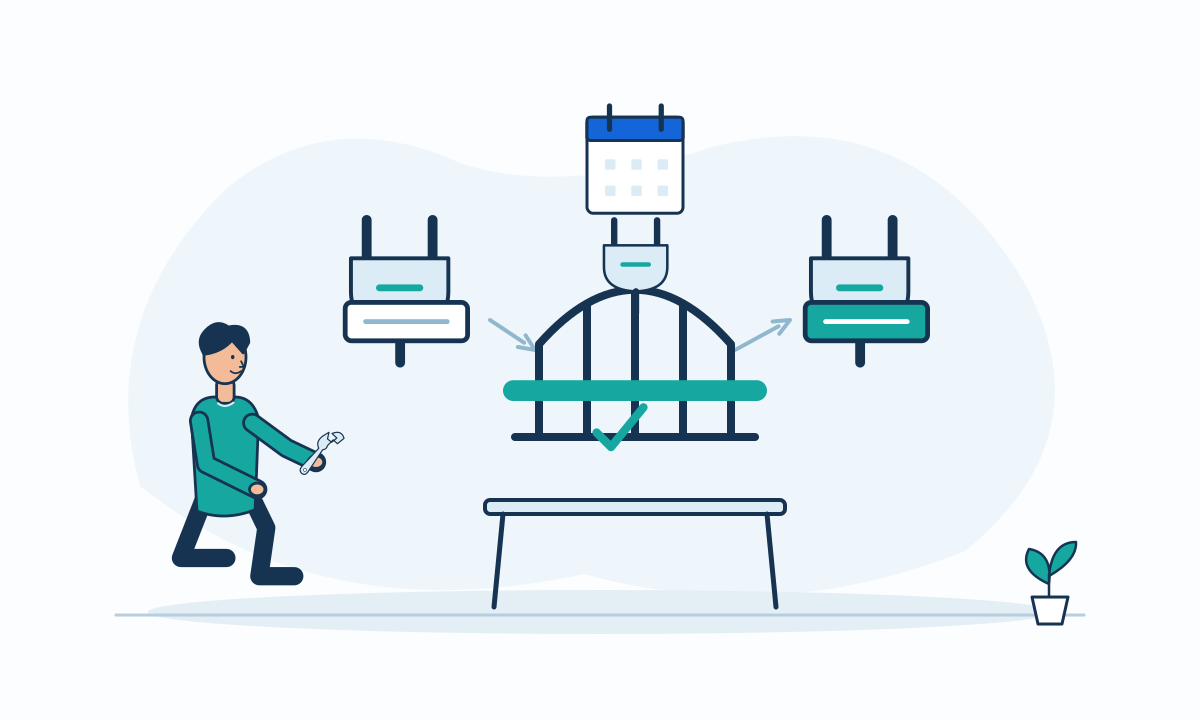
Adding a field looks harmless until a strict client rejects it. Keeping a field name looks safe until its meaning changes. Compatibility is an agreement about behavior between a provider and its consumers. A version label helps organize that agreement, but cannot prove that a release preserves it.
Inspect meaning as well as structure
OpenAPI provides a standard description of an HTTP API that people and tools can understand.[1] Use a specification comparison to identify changed inputs, outputs, and operations. Treat that comparison as an entry point for review, not the whole compatibility assessment.
Review defaults, units, ordering, permissions, and error behavior alongside schemas. A new response field may be acceptable for clients that ignore unknown fields, but not every client does. A new required request field can prevent existing clients from sending a valid request. Test the consumers you actually support rather than assuming tolerance.
Build a consumer impact map
Recommend a register of active consumers with owners, supported contract versions, and critical workflows. For each proposed change, name which assumptions might break. Ask whether clients generate code from the schema, validate responses strictly, or branch on enumerated values.
Give a change one of three paths: compatible within the agreed contract, opt-in behavior, or an explicit migration. Define migration instructions before announcing a deadline. If old and new behavior coexist, specify how requests choose between them and which data remains shared. Parallel versions add maintenance work, so avoid creating a new version for every cosmetic difference.
Set release evidence requirements
Choose a representative set of consumer fixtures and behavior tests. Include empty results, unknown values, and error cases. Review the proposed fallback before release, especially when a data migration cannot simply be reversed. Monitor actual failures rather than treating deployment success as integration success.
- Identify consumers affected by semantic and schema changes.
- Test old client requests against the proposed provider behavior.
- Publish examples, migration steps, and an escalation contact.
- Define adoption evidence and rollback limits before retiring old behavior.
Hypothetical example: delivery status expansion
Hypothetical example: a shipment API adds an inspection status. One client displays unknown values as pending, while another rejects values outside its generated enumeration. The provider discovers this difference through shared fixtures before release.
The teams choose an opt-in contract for the new status and document a temporary mapping for older clients. The mapping loses detail, so operations staff still need the richer status in their own view. The next action is to inventory consumers of the affected field and ask each owner to test the actual new value, not merely approve a release note.
